
The Decision Comes Down to Structural Integrity
Most wall damage looks worse than it actually is. A doorknob hole, a few nail pops, or a crack along a tape joint can usually be patched in a single visit. The repair method changes when the gypsum board itself is compromised by size, moisture, or repeated movement.
Limestone & Lacquer handles both types of drywall repair on a daily basis. Understanding the threshold between a patch and a section replacement helps you set realistic expectations for cost, timeline, and the final appearance of your wall.
Size Thresholds: When Patching Works and When It Does Not
The size of the damage is the fastest way to determine your repair method. Standard wall studs sit 16 inches apart. If a hole spans most of that gap, a simple patch will not have enough support to hold over time.
| Damage type | Recommended fix |
|---|---|
| Nail holes, small dings | Fill with lightweight spackle and sand |
| Nail pops | Reset with screws, fill, feather |
| Hairline cracks | Re-tape, mud, feather |
| Holes up to fist size | Patch with backing plate or California patch |
| Holes larger than your hand | Cut out and replace section to nearest studs |
| Crumbling or loose board | Replace section |
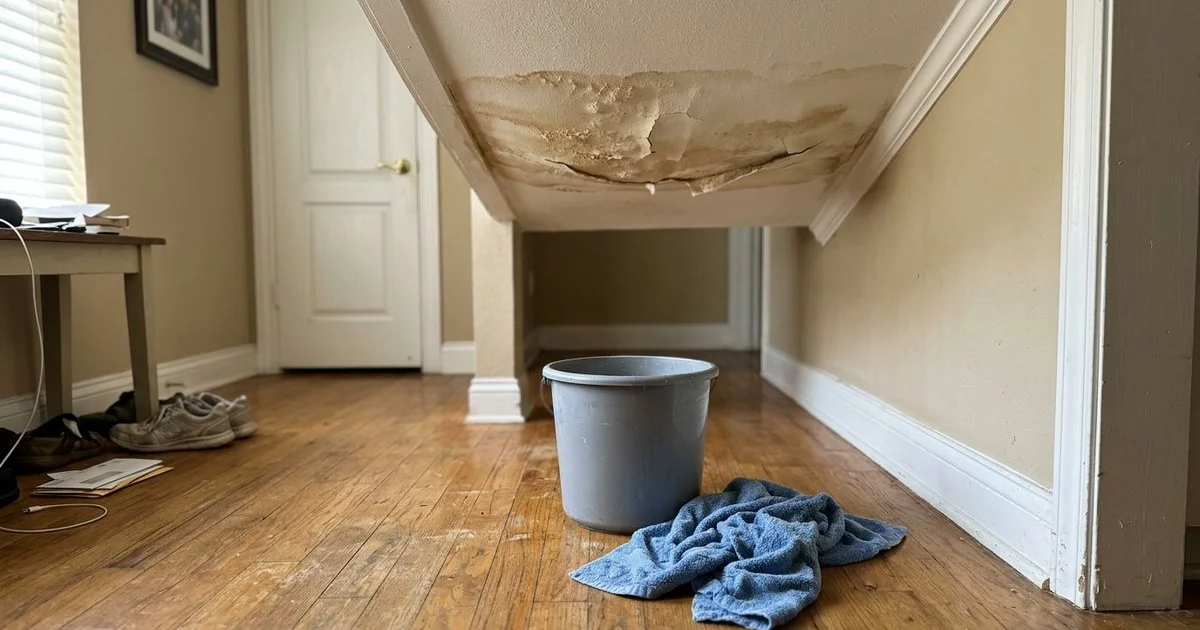
| Soft, sagging, or moldy board | Replace section after fixing the moisture source |
How a Patch Works
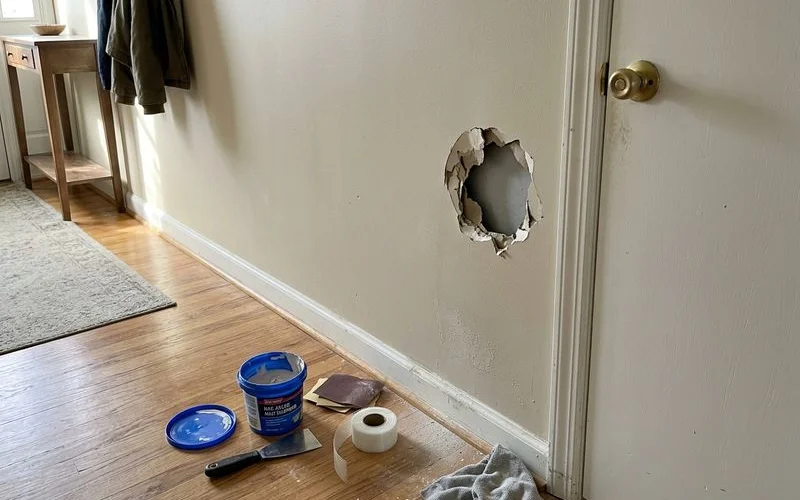
Patching is the standard fix for localized damage where the surrounding gypsum remains solid. The process is fast, affordable, and produces an invisible result when done professionally.
The steps are straightforward. First, the technician trims away any loose paper or crumbled gypsum. For holes larger than a couple of inches, a rigid backing plate goes behind the opening to give the compound something to grip. Self-adhesive fiberglass mesh tape covers the gap. Joint compound goes on in thin layers, each one feathered wider than the last to create a gradual transition. After sanding, the texture is matched, and the area is primed and painted.
Fast-setting compounds like USG Easy Sand 5 allow multiple coats in a single day. This makes small-to-medium patch repairs efficient even when multiple spots need attention in the same visit.
How Section Replacement Works
When damage compromises the structural integrity of the board, the failed section gets removed entirely and replaced with a new piece of drywall screwed directly to the wall studs.
This method restores the original fire resistance and structural strength of the wall. The process involves cutting the damaged area back to a clean rectangle, ideally to the nearest studs for solid anchoring. Wooden backing blocks bridge any seams that do not land on framing. A new piece of half-inch drywall gets screwed into the opening.
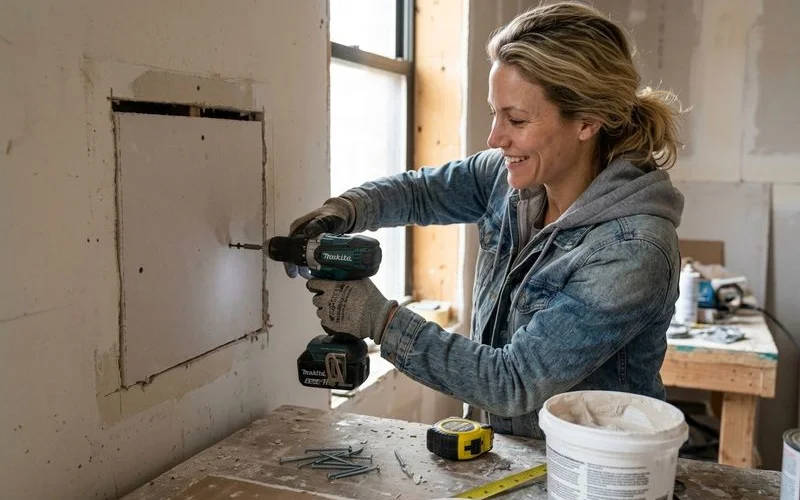
All seams receive paper tape, which outperforms mesh tape in shear strength for structural repairs. Three coats of joint compound, progressively wider feathering, sanding, texture matching, priming, and painting complete the repair.
Water Damage Changes Everything
Water-damaged drywall follows a completely different decision path. Wet gypsum loses its structural strength and becomes a potential mold habitat. The EPA states that moldy areas larger than 10 square feet require professional remediation.
Before any repair begins, the moisture source must be identified and fixed. Roof leaks, plumbing failures, AC condensate line overflows, and poor exterior drainage are the most common culprits in Georgetown homes. Williamson County’s clay soils and heavy thunderstorms make water intrusion a recurring problem.
Firm board with only a water stain can often be sealed with a stain-blocking primer like Zinsser BIN and repainted. No replacement necessary.
Soft, sagging, crumbling, or moldy board must be cut out and replaced after the area fully dries. Painting over compromised material traps moisture and accelerates mold growth behind the wall.
Cost and Time Comparison
| Factor | Patch | Section replacement |
|---|---|---|
| Relative cost | Lower | Higher |
| Time on site | Shorter | Longer |
| Drying time between coats | Less | More (more seams to finish) |
| Best for | Small, sound areas | Large, weakened, or wet areas |
| Durability | Excellent when done properly | Best for serious damage |
The 2026 national average for drywall repair sits around $613 according to HomeAdvisor data. Simple patch jobs fall on the lower end. Full section replacements with texture matching and painting push toward the higher end depending on the area involved.
Blending Texture and Paint
The repair itself is only half the job. Making it invisible is the other half. A smooth patch on a wall with heavy knockdown texture will stand out immediately. Matching the existing texture requires the right equipment and an experienced hand.
Our technicians match the dominant texture in your home, whether that is orange peel, knockdown, or a hand-troweled skip finish. After texture application and drying, a PVA primer seals the new compound so the topcoat absorbs evenly. The finish coat is then applied corner to corner rather than just over the repair area. Spot-painting almost always leaves a visible halo where the new paint meets the aged surface.
Cracks That Keep Returning
Recurring cracks usually point to an underlying cause rather than a simple drywall failure. Georgetown sits on expansive clay soils that swell with heavy rain and shrink during summer droughts. This seasonal movement flexes framing and tears through tape joints year after year.
Our guide on why drywall cracks covers the specific soil and framing conditions that cause this. If cracks grow wider than 1/8 inch, doors start sticking, or diagonal fractures appear at doorframe corners, a structural evaluation should come before any cosmetic repair.
Ceiling Damage Deserves Extra Caution
Ceiling repairs carry higher stakes because gravity works against the damaged material. A saturated ceiling panel can collapse under the weight of absorbed water. We always recommend full section replacement for soft or sagging ceiling drywall, using 5/8-inch board for better sag resistance.
The repair begins only after the leak is fixed and the surrounding framing is confirmed dry. Ceiling texture matching requires particular precision since overhead surfaces are visible from every angle in the room.
Getting a Clear Answer
If you are unsure whether your damage needs a patch or a full section replacement, a professional evaluation removes the guesswork. We inspect the area, check for hidden moisture, and give you a straightforward recommendation with a fixed price that includes the repair, texture matching, and final paint.
Book a free repair estimate and our team will be at your property within 48 hours.