
The Timeline Homeowners Actually Need
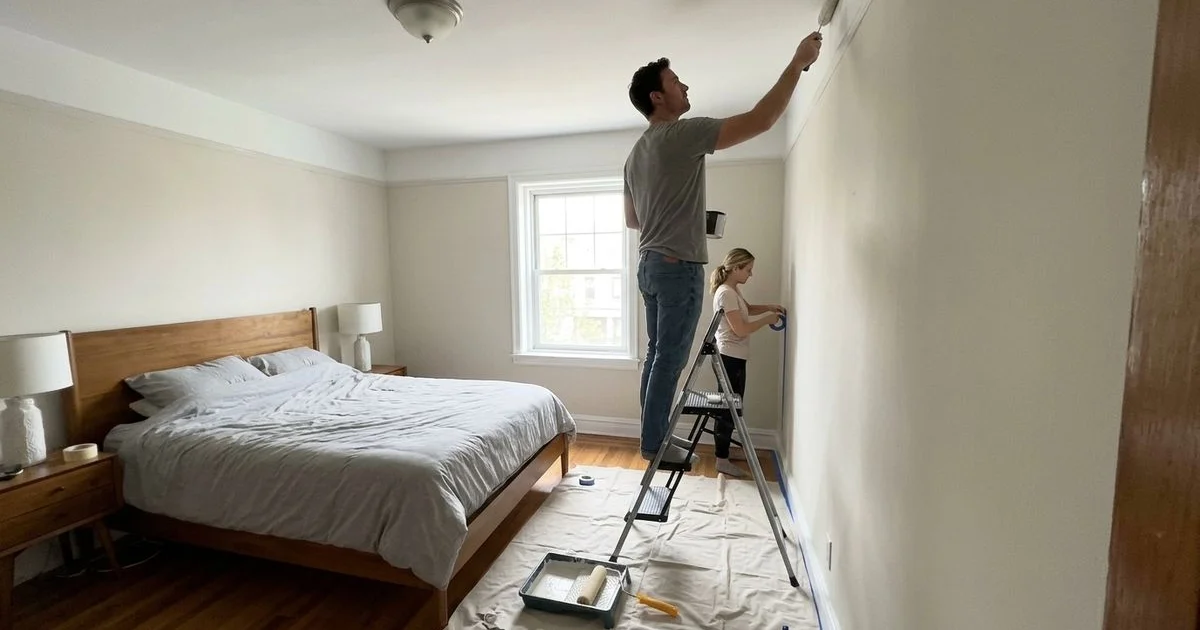
Scheduling a painting project around daily life requires reliable numbers, not vague estimates. A standard bedroom typically takes about one day with two coats. A complete whole-house interior repaint runs several days to two weeks depending on property size, scope, and wall condition.
Our interior painters provide a specific schedule with every written quote so Georgetown homeowners can plan around it with confidence.
The average family home in the area is roughly 2,500 square feet. A house that size usually requires about five working days for a two-person crew handling walls, trim, and standard prep.
Room-by-Room Estimates
| Project | Typical time |
|---|---|
| Small room, walls only | Half day to 1 day |
| Average bedroom, walls and trim | About 1 day |
| Large living room with high ceilings | 1 to 2 days |
| Kitchen walls (no cabinets) | About 1 day |
| 3 to 4 rooms | 2 to 4 days |
| Whole house, walls only | About 3 to 7 days |
| Whole house, walls, ceilings, trim and doors | About 1 to 2 weeks |
These figures assume a two-person crew and normal surface preparation. We evaluate your specific ceiling heights and room layouts during the initial walkthrough to ensure the final schedule is accurate.
Where the Hours Go
Preparation consumes the vast majority of an interior painting timeline. Rolling the actual paint is the fastest portion of the process. Industry standards from the Painting Contractors Association confirm that prep work takes 60 to 80 percent of total project time.
A typical room follows this sequence:
- Protecting the space. Furniture shifts to center, floors get covered, outlet plates come off, and wall hangings come down.
- Prep work. Filling nail holes, patching dings, sanding rough spots, and caulking trim gaps with a product like DAP Alex Plus.
- Cutting in. Brushing a clean line along ceilings, corners, and trim frames the wall section.
- First coat. Rolling the walls moves quickly once cutting in is complete.
- Dry time. Waiting for the surface to dry before applying the second coat.
- Second coat. The crew cuts in and rolls the walls again for full coverage.
- Trim and doors. Detailed trim elements often take as long as the broad wall surfaces.
- Cleanup and reset. Removing masking tape, returning furniture, and cleaning floors wraps up the room.
Drying and Recoat Windows
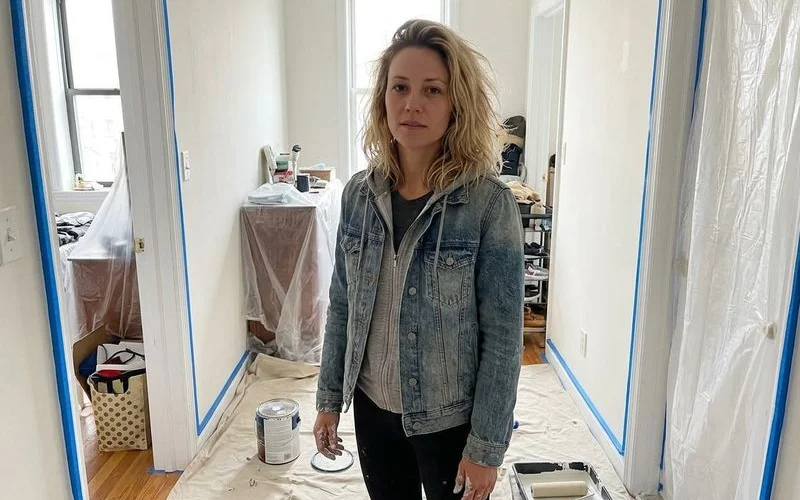
Most latex wall paints are dry to the touch within an hour and ready for a second coat after a few hours. Exact paint dry time between coats depends on the specific product, room temperature, humidity, and airflow.
Products like Sherwin-Williams SuperPaint Interior Latex dry to the touch in one hour but require a strict four-hour minimum before recoating. Enamels designed for trim and doors typically need even longer.
| Drying Stage | Average Time | What It Means |
|---|---|---|
| Dry to Touch | 1 Hour | Safe from dust but too wet to recoat |
| Ready to Recoat | 4 Hours | Safe to apply a second layer |
| Fully Cured | 21 to 30 Days | Completely hardened and washable |
Dry is not the same as cured. Paint continues hardening for weeks after application. Wait at least two weeks before hanging heavy items or scrubbing painted surfaces.
What Extends the Schedule
Significant drywall repairs and drastic color transitions are the two biggest factors that stretch timelines. Each requires additional materials and mandatory waiting periods that the crew cannot rush.
- Drywall repairs. Joint compound needs a full 24 hours to dry between coats before sanding or painting.
- Major color changes. Shifting from dark to light may require a tinted primer coat or a third topcoat for full coverage.
- Ceilings. Adding ceiling painting increases setup time, especially in vaulted living spaces common in Georgetown homes.
- Detailed trim. Crown molding, wainscoting, and paneled doors demand precise brushwork.
- Stain blocking. Water stains or smoke damage require a specialty primer like Zinsser B-I-N before topcoating.
- Occupied rooms. Working around furniture and daily family routines is slower than painting an empty house.
- Humidity. The area’s humid subtropical climate can extend drying times during summer months.
Living at Home During the Project
Most families stay home during an interior repaint. Limestone & Lacquer sequences rooms logically so you always have a place to sleep, cook, and work. Each room is cleaned up and reset at the end of every workday.
Modern zero-VOC products like Benjamin Moore Eco Spec eliminate dangerous fumes and harsh odors. Sleeping in a painted room the same evening is safe with these formulations. Our guide on staying home during painting covers the full comfort and safety picture.
Keeping Things on Schedule
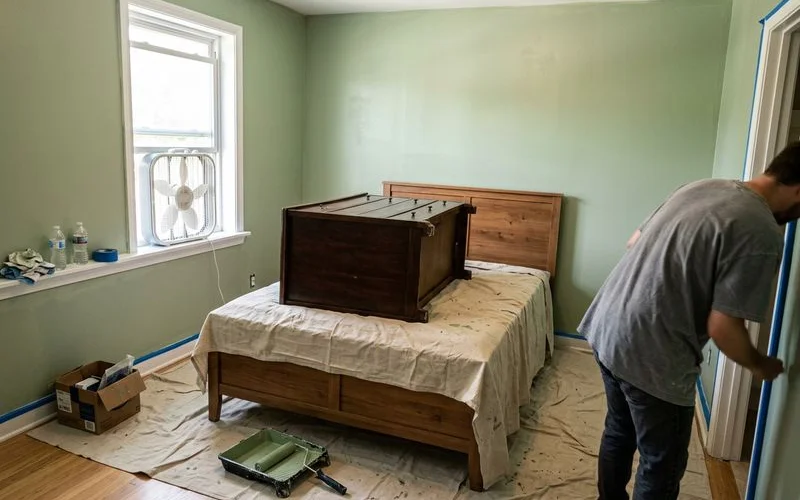
Finalizing color selections before the crew arrives is the single most effective way to prevent delays. A mid-project color swap requires sourcing new paint and often forces a room restart, easily adding 24 to 48 hours.
- Lock in colors before day one. Confirm every room selection in writing to prevent costly downtime.
- Clear small items in advance. Remove artwork and clear shelves near the walls before the crew arrives.
- Plan for pets. A gated area or a day at a friend’s house keeps animals safe and out of the work zone.
- Communicate deadlines. Let the team know about incoming guests, a move-in date, or listing photos so the workflow is built around those milestones.
Empty House vs Occupied House
Painting an empty home is approximately 25 to 30 percent faster. No furniture needs moving, no daily cleanup interrupts the workflow, and crews can progress through rooms without pausing for family routines.
Scheduling the project during the gap before a move-in date or after furniture has been temporarily stored saves the most time. For occupied homes, the phased approach trades a few extra days of labor for the comfort of staying in your own space throughout the project.
Indoor Conditions Matter
Interior painting is far less weather-sensitive than exterior work, but indoor humidity still affects drying times. The ideal indoor environment is between 50 and 85 degrees Fahrenheit with relative humidity between 40 and 50 percent.
Managing conditions is straightforward in Georgetown homes with central air.
- Run the air conditioning to pull moisture from the air
- Use floor fans to keep air circulating across wet surfaces
- Maintain a steady thermostat setting for consistent curing
Speeding Up the Process
Homeowners can shave one to two hours per room by preparing the space before the crew arrives. Every item the painters need to move adds time.
- Remove wall hangings and curtains before day one
- Empty bookshelves and clear surfaces near walls
- Finalize all color decisions in writing
- Point out problem spots during the estimate so repairs are planned in advance
- Keep pets in a designated area during active work hours
Your Schedule Starts With the Estimate
Every Limestone & Lacquer quote includes a defined start date and expected duration. We assess repairs, ceiling heights, and color transitions during the walkthrough so the timeline is a factual commitment. Contact our team to schedule your walkthrough and receive a detailed project timeline.