
Every Room Ages Differently
Some spaces hold up for a decade while others show scuffs within months. The dividing line between a durable finish and a tired one comes down to daily traffic volume and the quality of the original application.
Most interior paint lasts between five and ten years, but a busy kitchen might need a fresh coat in three years while a rarely used guest bedroom can stretch past ten. Planning around these differences lets you budget maintenance in manageable phases rather than one massive project.
Our team recommends different timing for different spaces when planning Georgetown interior painting projects.
Room-by-Room Intervals
These ranges assume a premium 100% acrylic latex product applied with proper prep.
| Room or surface | Typical interval | Why |
|---|---|---|
| Formal living and dining rooms | About 5 to 10 years | Low traffic, minimal moisture |
| Adult bedrooms | About 5 to 10 years | Light daily use |
| Main living and family rooms | About 4 to 7 years | Daily activity, furniture contact |
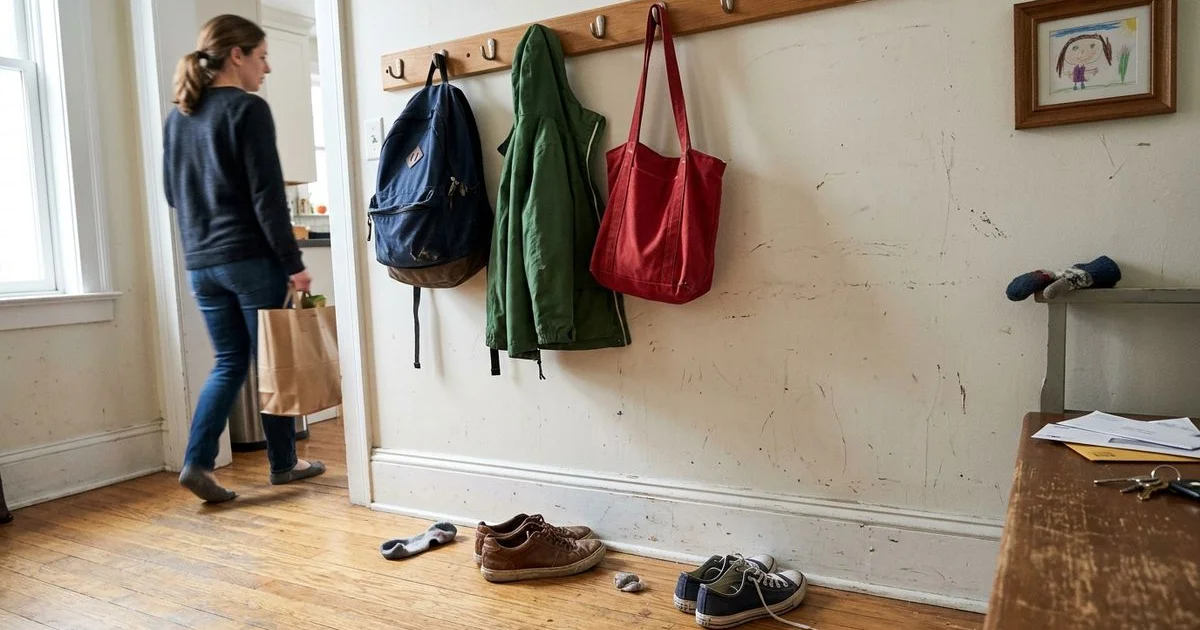
| Hallways and stairwells | About 3 to 5 years | Hands, bags, scuffs |
| Kids’ rooms and playrooms | About 2 to 5 years | Marks, frequent scrubbing, color changes |
| Kitchens | About 3 to 5 years | Grease, steam, cleaning chemicals |
| Bathrooms | About 3 to 5 years | Moisture and frequent cleaning |
| Trim and baseboards | About 3 to 5 years | Vacuums, shoes, pets |
| Interior doors | About 3 to 5 years | Hands, bumps, latch wear |
These intervals shift dramatically based on sheen selection, product quality, and prep thoroughness. Premium paints like Sherwin-Williams Emerald or Benjamin Moore Aura hold their finish significantly longer than basic contractor grades.
Visual Indicators That It Is Time
Walk through your home in natural daylight and check for these signs walls need painting.
- Scuffs that will not wipe off despite gentle cleaning
- UV fading where sunlight hits walls through south or west-facing windows
- Patchy touch-ups that reflect light differently from the surrounding paint
- Peeling or bubbling indicating trapped moisture, common in bathrooms
- Yellowing trim where old oil-based enamel has oxidized
- Dated colors that no longer match your style
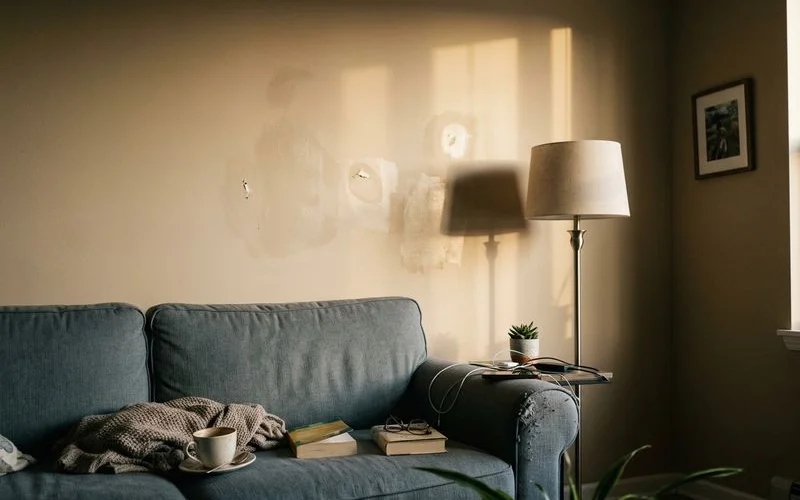
Also watch for alligatoring, a cracked reptile-skin pattern that forms when a hard topcoat sits over a more flexible primer. Catching these signs early prevents expensive prep work on the next repaint.
Why Touch-Ups Eventually Fail
Paint on the wall fades and shifts sheen over time. Fresh paint from the original can will not reflect light the same way as the aged surface around it. This mismatch is called flashing, and it becomes visible under raking light from windows or overhead fixtures.
Thinning touch-up paint by five to ten percent can help blend small spots temporarily. When flashing becomes noticeable across multiple areas, painting the full wall from corner to corner is the only reliable fix.
Trim and Doors Wear First
Baseboards, door frames, and interior doors usually need repainting before the surrounding walls. Vacuums, shoes, pet claws, and dirty hands concentrate wear on these surfaces.
The fastest deterioration typically appears on:
- Baseboards near entryways
- Door casings in narrow hallways
- Window sills catching direct sunlight
- Lower door panels prone to shoe and pet scuffs
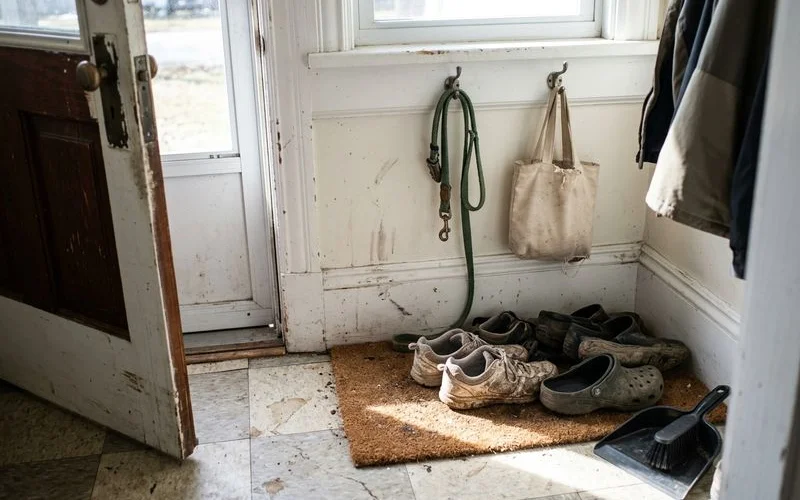
Repainting just the trim and doors with a durable water-based alkyd enamel is a targeted, cost-effective project that makes the entire home look refreshed. This hard-curing enamel provides the impact resistance of traditional oil paint without the strong odors or yellowing.
Extending Time Between Repaints
Strategic choices at the start of each paint project push the next one further out.
- Choose the right sheen. Eggshell or satin finishes in busy areas wipe clean far better than flat paint. Our guide on choosing a washable sheen breaks down the options.
- Invest in quality paint. Premium 100% acrylics retain color and resist scrubbing longer than economy products.
- Clean gently. A soft sponge and mild dish soap protect the binder. Harsh chemical cleaners strip it.
- Store paint properly. Keep leftover paint in small, airtight containers labeled with the room name and sheen.
- Fix moisture issues. Run a properly sized exhaust fan in bathrooms to prevent humidity-driven bubbling.
Builder-Grade Paint Needs Replacing Sooner
Builder-grade flat paint used in many newer Georgetown homes typically needs replacing within one to three years. It lacks the protective binders found in premium products and marks almost immediately under daily contact.
You can identify it by its slightly rough or chalky texture, the way wet sponges leave permanent water marks, and the fact that furniture scuffs cannot be wiped away. Upgrading to a premium satin or eggshell finish during the first repaint usually triples the lifespan of the next coat.
Timing for Rentals and Home Sales
Rental properties need fresh paint between tenants to secure leases quickly. Standardizing on one neutral color and sheen across all units simplifies maintenance and speeds turnover.
For home sales, fresh paint is a proven financial advantage. A 2026 Zillow analysis found that 32% of sellers paint interiors before listing, with certain buyer-preferred colors boosting offer prices by over $2,000. Our guide on painting before selling covers which rooms deliver the highest return.
Partial Projects vs Full Repaints
Not every tired room requires a full repaint. Targeting specific high-wear areas delivers a visual refresh at a fraction of the cost.
- Trim and doors only when walls still look strong
- One accent wall for a quick design update
- High-traffic walls like lower halves of hallways and stairwells
- Ceilings which often last fifteen years or more because they take zero physical contact
| Project Type | Cost Impact | Best Application |
|---|---|---|
| Full room repaint | Highest | Major color changes or heavy damage |
| Trim and doors only | Medium | Scuffed baseboards, faded frames |
| Accent wall | Lowest | Adding a pop of color quickly |
Plan Your Next Refresh
If a few rooms are showing their age, schedule a targeted update before minor wear becomes a larger restoration project. Limestone & Lacquer can quote individual spaces or help you plan a whole-house repaint in manageable phases. You receive a fixed written quote detailing specific products, sheens, and the project schedule. Contact our Georgetown team to get started.