
No Universal Number Exists
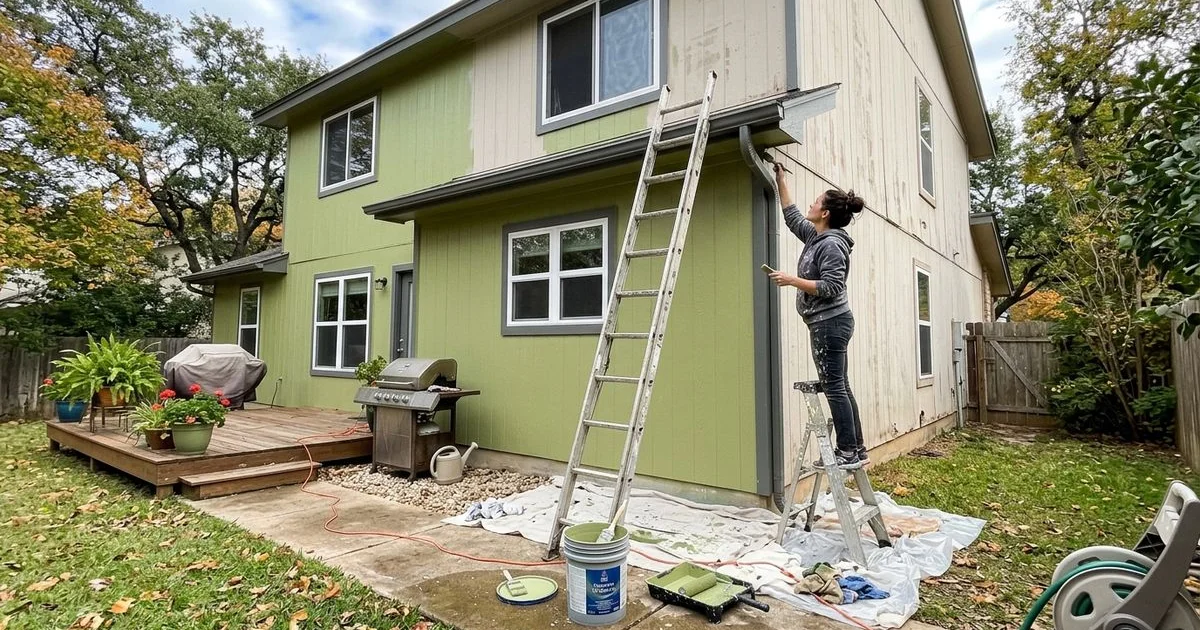
The exterior paint lifespan Texas homes achieve sits around 5 to 10 years, but that range depends heavily on your siding material and how much sun each wall catches. Paint on the body typically outlasts trim and fascia. Shaded elevations hold up far longer than sun-hammered west-facing walls.
Our Georgetown exterior painters evaluate these variables during every estimate to give you a realistic maintenance schedule.
Repaint Intervals by Surface Type
These ranges assume quality prep and a premium 100% acrylic exterior paint like Sherwin-Williams Emerald or Benjamin Moore Aura.
| Surface | Typical interval | Notes |
|---|---|---|
| Wood siding | About 5 to 7 years | Moves with heat and moisture, stressing the film |
| Wood trim, fascia, soffits | About 4 to 6 years | Takes water and sun at the roof edge |
| Fiber cement siding | About 10 to 15 years | Very stable, holds paint exceptionally well |
| Stucco (acrylic paint) | About 8 to 12 years | Crack repair quality determines longevity |
| Stucco (elastomeric) | Often 10 years or more | Flexible film bridges hairline cracks |
| Doors and shutters | About 3 to 5 years | Small, easy refresh projects |
When homeowners ask about repaint stucco how often schedules, the answer usually ties back to crack management. Elastomeric coatings bridge hairline fissures and push the interval past 10 years. A dark color on a west wall needs attention much sooner than a light shade on a north wall.
How UV Exposure Accelerates Wear
Georgetown sits in one of the highest UV zones in the country. The UV index regularly hits 10 to 12 during peak summer months, breaking down paint binders and causing fading and chalking.
Heat makes siding expand and contract daily, stressing the paint film through thousands of cycles each year. Dark colors absorb significantly more thermal energy, accelerating this process. A single home can age very unevenly, with the west elevation looking tired while the north side remains sharp.
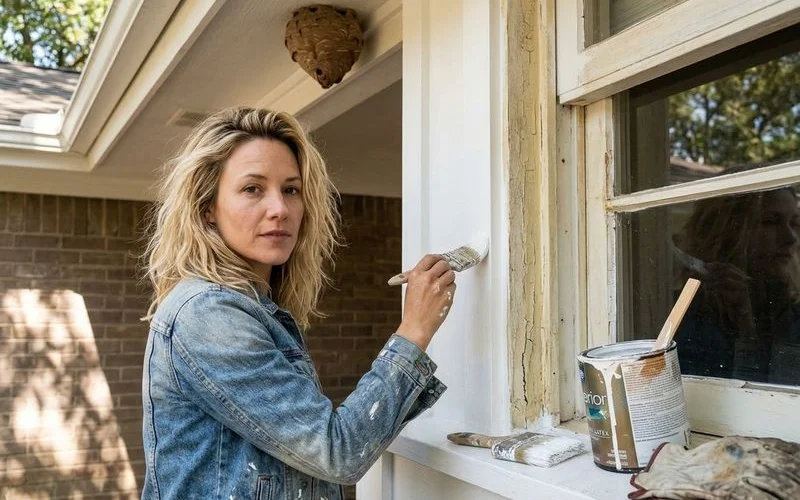
Partial repaints targeting the hardest-hit elevations are a practical option. Our guide on why paint fails in Texas heat explains the chemical breakdown happening inside the film.
Other Factors That Shorten Paint Life
- Skipped prep: Paint applied over chalk or loose material fails early regardless of product quality.
- Failed caulk: Water migrating behind the film causes peeling and blistering from the inside.
- Sprinklers hitting walls: Constant wetting breaks down paint near grade level.
- Overhanging trees: Shade reduces UV damage but increases mildew growth and debris accumulation.
- Economy paint: Lower-grade products lose color and flexibility faster than premium 100% acrylics.
Thorough washing and scraping give the new coat a solid foundation. Our crews regularly spend as much time prepping a home as they do applying the finish.
Best Months to Paint in Central Texas
Paint cures best within manufacturer-specified temperature ranges, usually 50 to 85 degrees Fahrenheit. The area’s mild fall and spring seasons hit this window consistently.
- Fall (October and November): The most comfortable painting window with milder days and lower humidity.
- Spring (March through May): Excellent conditions, though spring storms can cause brief delays.
- Summer: Feasible with early morning starts and shade-following techniques, but extreme heat limits productive hours.
- Winter: Mild days work well, but cold snaps and overnight lows restrict which days are safe for application.
If your HOA requires color approval, start that process several weeks before your target painting date. Committee review timelines add to the overall schedule.
Visual Warning Signs
Do not wait for the calendar if you see active deterioration. These visual cues indicate the paint has stopped protecting the substrate.
- Powdery residue on your hand after rubbing the siding
- Hairline cracks forming around window frames and trim joints
- Peeling spots on lower boards near soil or mulch
- Faded patches concentrated on south and west elevations
Our checklist of signs your exterior needs repainting covers the full range of indicators.
How Color Choice Affects the Schedule
Two identical homes painted on the same day can reach their next repaint date years apart based purely on color selection. Darker body colors absorb more heat, which speeds fading and can cause blistering on wood substrates.
| Color Type | LRV Range | Heat Absorption | Fade Risk |
|---|---|---|---|
| Whites and creams | 70 to 100 | Very low | Minimal |
| Light grays and tans | 40 to 69 | Low | Low |
| Deep blues and browns | 10 to 39 | High | Moderate |
| Blacks and dark greens | 0 to 9 | Very high | High |
Bold colors work well on shaded elements like covered porches and front doors. Lighter neutrals on exposed walls maximize longevity under Central Texas’s intense sun.
Partial Repaints Save Money
Targeting worn elevations instead of repainting the entire house stretches your budget without compromising protection.
- Trim, fascia, and soffits only when the body still looks strong
- West and south walls if they are failing years ahead of the shaded sides
- Doors and shutters for a quick curb appeal refresh
The tradeoff is color matching. Faded paint on untouched walls will not perfectly match fresh paint. Limestone & Lacquer Painting Co. will tell you honestly whether a partial job will look right on your specific home.
Keeping a Maintenance Record
Document the date, colors, products, and sheens from each paint job. This record simplifies future color matching and helps you plan the next repaint on schedule. Store paint codes digitally and keep the original invoice for warranty reference. Most labor warranties run two to five years, while premium paint products may carry a limited lifetime manufacturer guarantee.
Extending the Interval
The most effective way to stretch time between repaints is starting right: thorough washing, scraping, caulking, and priming followed by two coats of a UV-resistant premium acrylic.
Between full repaints, a quick annual walk-around catches small spots for touch-up. A gentle soft-wash every two years removes dirt and mildew without damaging the film. These habits keep water out and buy extra years before the next full project.
When you are ready for an honest assessment, schedule a walkthrough with our Georgetown team. We will inspect the property with you and outline which elevations need work now and which can wait.