
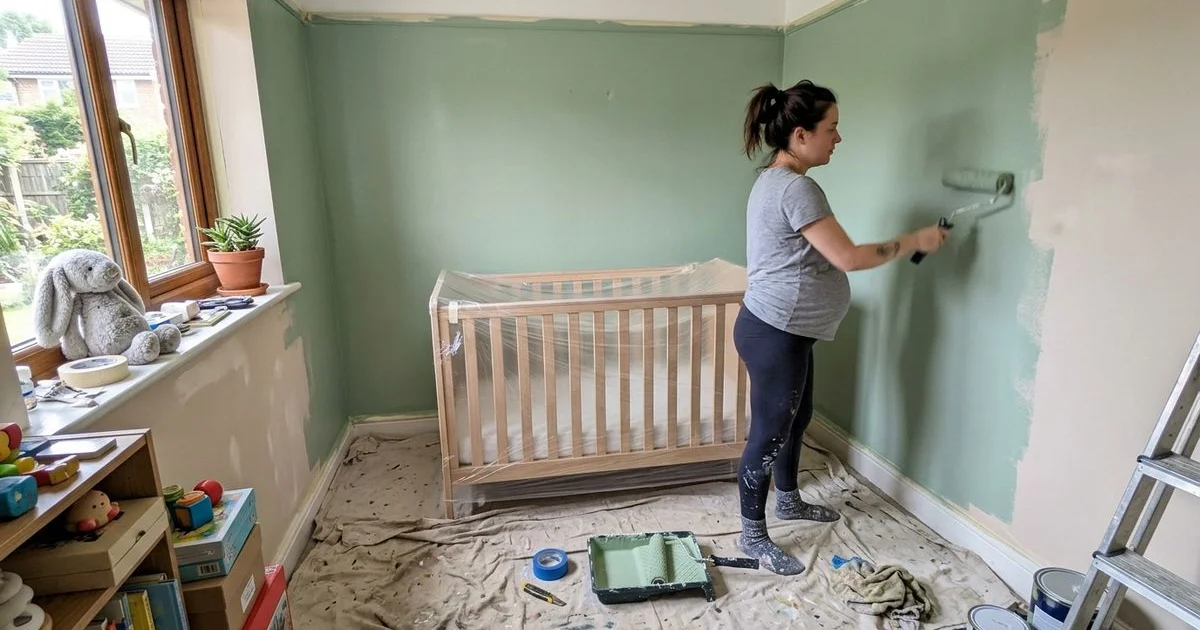
The Chemistry Behind the Smell
That distinct chemical odor during a painting project comes from volatile organic compounds (VOCs), carbon-based chemicals that evaporate at room temperature. They serve as the solvent carrier in traditional paint, keeping it liquid in the can before off-gassing into your living space.
The US Environmental Protection Agency caps standard flat interior paints at 250 grams per liter. A 2025 environmental chamber study showed that some standard paints continue emitting trace compounds for up to 60 days after application. That extended off-gassing timeline is exactly why choosing low-emission products matters for daily comfort and health.
Common household items that off-gas VOCs include fresh paint, new carpeting and flooring adhesives, manufactured wood furniture, and standard cleaning supplies.
How the Labels Differ
The terms low-VOC and zero-VOC follow specific, regulated emission limits.
- Low-VOC paint contains less than 50 grams per liter for flat finishes. It has a mild odor that clears much faster than traditional formulas.
- Zero-VOC paint keeps emissions under 5 grams per liter in the base.
One major pitfall catches buyers off guard: standard colorants can add significant emissions back into a clean base. A pure white gallon might test at zero, but tinting it a deep navy could push the count above 50 grams per liter.
Brands with specialized zero-VOC colorant systems solve this. Benjamin Moore Gennex and Sherwin-Williams CCE colorants keep the final tinted product under the 5 grams per liter threshold. If indoor air quality is a priority, ask which tinting system your contractor uses.
| Feature | Low-VOC Paint | Zero-VOC Paint |
|---|---|---|
| Regulatory Limit | Under 50 grams per liter | Under 5 grams per liter |
| Expected Odor | Mild | Very faint |
| Tinting Risk | Colorants may add emissions | Requires specific zero-VOC colorants |
| Typical Cost | Standard market rate | Often slightly higher |
| Best Application | Most homes and general spaces | Nurseries, clinics, occupied offices |
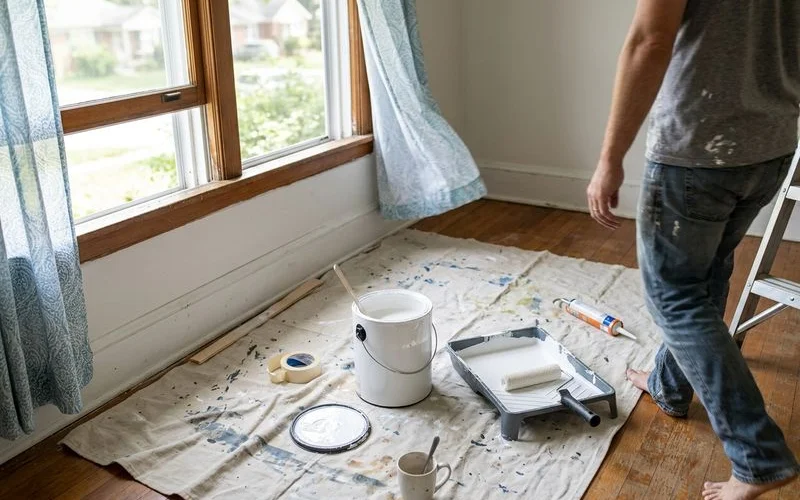
Odor and Re-Occupancy Timing
Low-emission rooms can typically be re-occupied within 24 hours with proper ventilation. Zero-emission spaces are often comfortable the same evening. Emissions peak during the first 24 to 72 hours, which is when airflow matters most.
Managing the Initial Window
- During painting: Set up box fans to create cross-ventilation. Pulling air out of the room works better than simply opening a window.
- That evening: Low-emission rooms have a faint residual smell. Zero-emission spaces may be barely noticeable.
- Next day: Most people feel comfortable working or sleeping in the room. Sensitive individuals may prefer waiting one additional day.
Keep pets out of the work area while walls are wet. Avoiding paint fumes pets might inhale, and preventing contact with wet surfaces, are both important.
Durability in Modern Formulations
Premium low-VOC and zero-VOC paints no longer sacrifice performance. Early eco-friendly formulas from a decade ago were softer and less scrubbable, but waterborne technology has closed that gap completely.
The key is matching the product line to the room’s traffic level. A budget-friendly workhorse like Sherwin-Williams ProMar 200 Zero VOC handles standard walls well. High-wear surfaces like trim, doors, and busy commercial corridors need a step up to SuperPaint or Emerald for superior washability.
When to Specify Zero-VOC
Request zero-emission products when the occupants or the schedule demand the cleanest possible air.
- Painting a nursery or child’s bedroom where paint safe for nursery applications is essential
- Occupants with asthma, allergies, or chemical sensitivities
- Families staying home during the project
- Offices, restaurants, or clinics that reopen the next morning
- Households with indoor pets during the work
For general living spaces with healthy adults and good ventilation, a quality low-VOC product remains a solid, cost-effective choice.

Commercial Applications
Businesses face the unique challenge of opening their doors the morning after painting. Zero-emission coatings combined with overnight scheduling solve this problem. Our commercial painting crews work after hours with ventilation systems running continuously, ensuring staff and customers return to a fresh space with no chemical odors.
Restaurants and food service environments benefit especially, since chemical smells near dining areas ruin the customer experience.
Residential Applications
Families choose low-emission products to stay comfortable at home during the project. With modern formulations, most Georgetown households remain on the property throughout an interior painting job.
Limestone & Lacquer works room by room to minimize disruption. Professional fans maintain airflow, and the crew cleans up the work zone daily. Our guide on staying home during interior painting covers the full process.
A Note on Exterior Paint
VOC concerns apply primarily to interior rooms where fumes accumulate. Fresh outdoor air disperses chemical smells rapidly, making weather resistance the main priority for exterior projects.
The EPA still caps exterior formulas at 250 grams per liter, and most premium waterborne exterior paints register well below 100 grams per liter. Focus exterior product selection on UV resistance, flexibility, and moisture performance rather than emission levels.
Questions to Ask Your Painter
If a low-odor environment matters for your household, ask these specific questions before signing a contract.
- Is the base product under 50 grams per liter or under 5 grams per liter?
- Do the colorants add emissions back in? Request systems like Gennex or CCE.
- Does the product carry GREENGUARD Gold certification?
- How will you ventilate the space during and after application?
- How soon can we safely sleep in the room?
- Will this product hold up to scrubbing in kitchens, bathrooms, and hallways?
Additional Ways to Reduce Odor
The label on the can is the starting point. Active air management during the project cuts the off-gassing timeline further.
- Paint in milder weather so windows can stay open for natural cross-ventilation
- Run the HVAC fan with a high-quality MERV filter installed
- Use activated carbon purifiers that trap chemical gases, not just dust
- Seal off the work zone to prevent odors from drifting into bedrooms and nurseries
- Store leftover cans outside in a detached garage or shed
Request the Right Product
Whether you choose low-VOC or zero-VOC, you can specify exactly what you need for any residential or commercial project with Limestone & Lacquer Painting Co. Tell us who is living or working in the space, and we will recommend the best product and list it by name in your written quote. Contact our Georgetown team to plan a safe, beautiful update for your property.