
Two Types of Protection
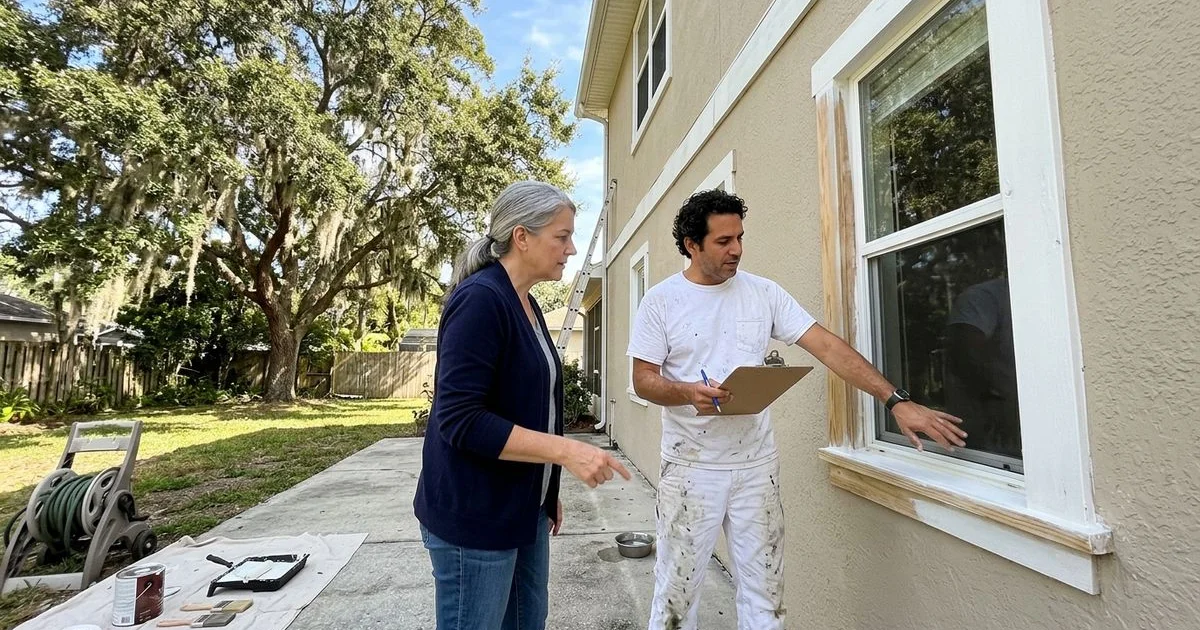
Property owners investing thousands of dollars in a professional paint job deserve clear answers about what happens if something goes wrong. A painting contractor warranty what does it cover is the question we hear most often during initial walkthroughs in Georgetown. The answer involves two entirely separate documents that protect different aspects of the finished project.
Understanding the distinction between these two guarantees is the single most important step before signing any painting contract. Our team explains this during every property assessment because the coverage gap between them catches homeowners off guard constantly.
Workmanship Warranty vs Manufacturer Warranty
A workmanship warranty painting agreement comes directly from the contractor who performed the labor. This document covers failures caused by application errors. If a coating peels because the crew skipped primer, applied paint over damp wood, or worked during freezing temperatures, the contractor returns and fixes it at no charge.
A paint manufacturer warranty comes from the brand that produced the product. Sherwin-Williams, Benjamin Moore, and other major manufacturers offer limited lifetime coverage on premium lines like Emerald and Aura. These policies typically cover defects in the chemical formulation itself. The critical limitation is that most manufacturer warranties reimburse only the cost of replacement paint, not the expensive labor required to strip the failed coating and reapply.
| Feature | Workmanship warranty | Manufacturer warranty |
|---|---|---|
| Who backs it | Your local painter | The paint brand |
| What it covers | Application defects | Product formulation defects |
| Labor included | Usually yes | Usually no |
| How to claim | Call your painter | Through the brand, with original receipt |
For most homeowners, the workmanship warranty is the document that delivers real financial protection.
Defects Typically Covered
A solid workmanship warranty covers visible failures resulting from improper application technique or inadequate surface preparation.
- Paint warranty peeling or flaking where the coating lost its bond to the substrate
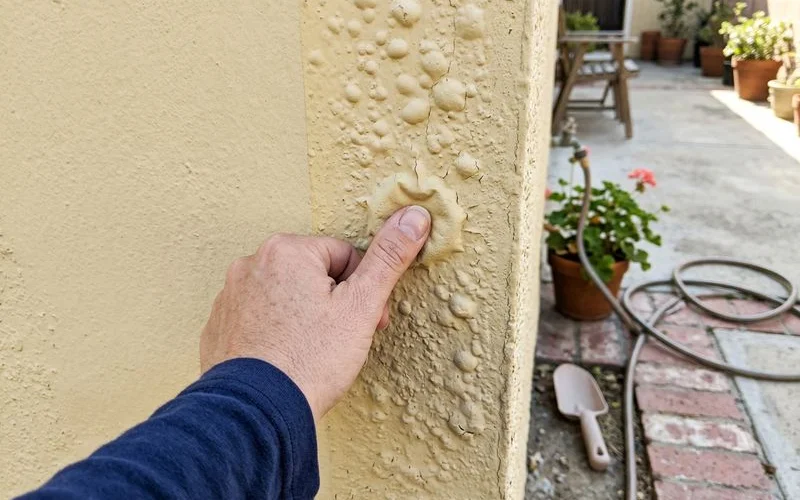
- Blistering caused by moisture trapped under the film during application
- Cracking from coats applied too thickly or over an unsound existing surface
- Drips and runs left uncorrected during the application process
Industry research indicates that roughly 80 percent of premature exterior coating failures trace back to skipped preparation steps. A contractor who controls every phase of prep should stand behind the results confidently.
Common Exclusions
Every written warranty includes specific exclusions. These limitations are reasonable once you understand the science behind coating failure.
- Normal fading and wear. Intense Central Texas UV exposure breaks down pigments naturally over time, especially on south- and west-facing walls.
- Moisture intrusion. Roof leaks, plumbing failures, or sprinkler overspray pushing water behind the paint film from inside the wall structure.
- Structural movement. Williamson County’s reactive clay soils expand and contract with seasonal moisture changes, cracking drywall and stucco in ways no coating can prevent.
- Impact and abuse. Furniture dings, pet scratches, or a ladder leaned carelessly against freshly painted siding.
- Surfaces painted against written advice. If the contractor recommended replacing rotten fascia before painting and you chose to paint over it, failure on that specific board is excluded.
Read the fine print. A reliable warranty clearly states what is covered, what is excluded, the exact duration, and the precise steps to file a claim.
How Our 3-Year Warranty Works
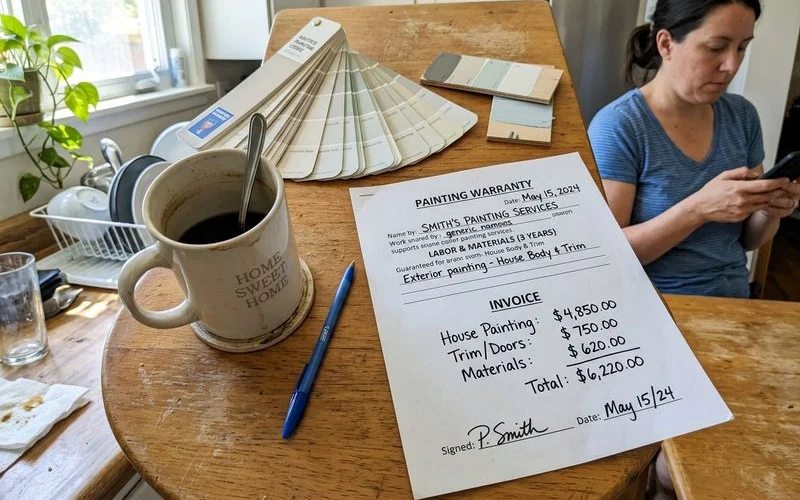
Limestone & Lacquer Painting Co. backs interior and exterior work with a 3-year workmanship warranty. The standard industry labor guarantee typically lasts one to two years. We extend coverage an additional year because our in-house crews control the entire preparation and application process.
If a finish flakes or blisters due to an application defect within three years, we return and fix it at zero cost. Every quote lists the preparation steps by name so there is no ambiguity about what was performed. Digital moisture meters verify exterior wood conditions before primer goes on.
A written promise is only as strong as the physical work behind it.
Filing a Warranty Claim
Prompt communication simplifies the resolution process. Take action within 30 days of noticing a problem.
- Photograph the defect in bright daylight, capturing both close-up detail and a wider context shot.
- Document the timeline by noting when the issue first appeared and any related events like severe storms.
- Email your contractor with the photo attachments to establish a written record.
- Schedule an inspection so the contractor can examine the surface with a moisture meter and identify the root cause.
- Get the repair scheduled if the defect falls within the covered terms.
Keep your original quote and invoice in a safe location. These documents prove project dates, scope, and specific products used.
Why Short Warranties Signal Risk
Some contractors offer just one year of coverage or provide no written document at all. A short warranty does not guarantee bad work, but it warrants close scrutiny. A crew performing proper washing, scraping, and priming should feel confident their results will survive well beyond a single season.
Recent 2026 industry data shows a high turnover rate among unverified home service providers. A contractor willing to back their labor for three years is far more likely to still be operating if you need them.
Be skeptical of any contractor offering a “lifetime” labor guarantee without specific written conditions. Vague promises often indicate an intent to dodge responsibility later.
How Prep Protects the Warranty
The reliability of any guarantee depends directly on the thoroughness of surface preparation. Proper washing, scraping, caulking, and priming eliminate the most common failure points before the first coat of finish paint goes on.
Aggressive 3,000 PSI power washing damages siding and forces water into wall cavities. Our Georgetown crews use controlled techniques instead:
- Low-pressure washing to clean dirt without gouging wood fiber
- Targeted chemical treatments to eliminate mildew at the root
- Moisture testing with a pin-type meter to confirm walls are dry before primer
We exclude surfaces from coverage if we advised repairing them prior to application and the homeowner chose to proceed without the repair. Proper substrate integrity must exist before any product goes on.
Maintaining Your Warranty
Routine property maintenance prevents small issues from becoming large claims and keeps coverage active. A quick visual inspection every spring catches problems early.
- Redirect sprinklers away from painted walls to prevent mineral deposits and constant wetting
- Fix roof and plumbing leaks promptly since water entering from behind pushes the film off the substrate
- Clean painted surfaces gently using mild detergent and a soft brush rather than chlorine bleach or high-pressure equipment
- Report minor problems early because a small bubble in the first month is far simpler to address than widespread peeling a year later
These habits extend the functional life of your exterior coatings by several additional years.
Ask Before You Sign
Request specific warranty details in writing before committing to any painting contract. Ask about the exact duration, whether interior and exterior terms differ, and which conditions void the coverage. Our guide on questions to ask a painter covers this topic and several more.
When you are ready to review our specific terms alongside a fixed written quote, request a free estimate from our Georgetown team. We walk through the warranty document in person and answer every question before any work begins.